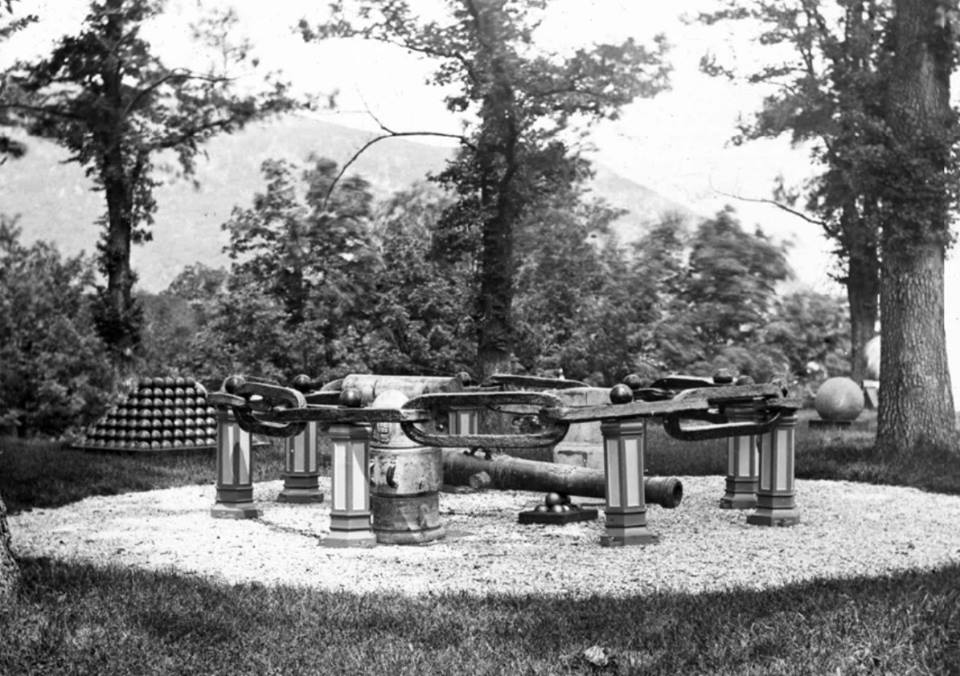
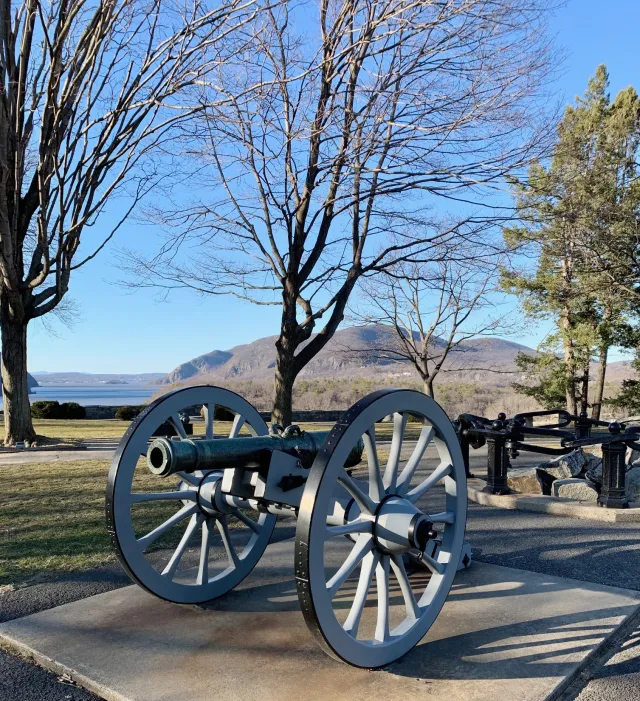
Fortress West Point’s Great Chain: A Formidable Fortification
Vestibulum ut efficitur nibh. Integer rhoncus nunc eu massa dignissim molestie. Pellentesque blandit eros vel dolor finibus mattis. Nulla rhoncus hendrerit justo, a aliquam ex blandit quis. Nam odio nisl, scelerisque sed lobortis id, lobortis at ante. Aliquam varius et lacus vel varius. Vivamus efficitur nec massa a faucibus. Nam ut velit tortor. Suspendisse lacinia vehicula nisi, at gravida purus porta et. Cras tristique massa libero.
Great Chain’s Historical Prominence
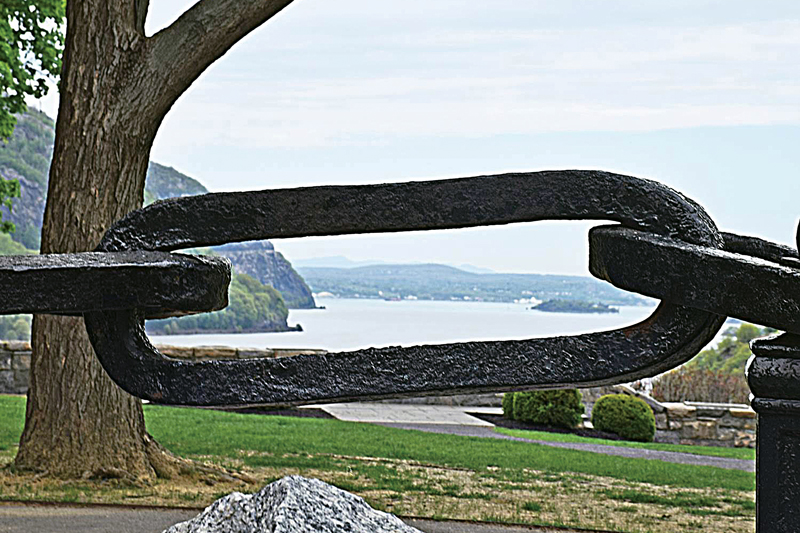
The West Point’s Great Chain may look like an oversized shackle, but the torchbearers that held it were all prestigious figures. The first to hold the Great Chain was General Washington; he fought gallantry against the British Empire and Native Americans whilst putting the Hudson River on gridlock. The legacy of the iron-clad chain continued, as it passed from Washington to Thomas Machin, a General Lieutenant. Fortress West Point’s Great Chain besides a floating barricade, worked as the perfect ambush stratagem for artillery battalions. All in all, it had huge implications for the American Revolution War. Of course, it also influences the non-profit organization FAR, as they attempt to restore the chain-raveled landmark.
We’ve mentioned its sheer weight and length but haven’t gone deep to appreciate the remarkable feat of military engineering during the Revolutionary War. Those 16-foot logs wedged by troops weren’t there to salvage navy ships but to make them come to a standstill. The wood barks also provided buoyancy for the Great Chain, keeping it afloat above the major waterways. It took hundreds of ironworkers, teamsters, and soldiers to manufacture the Great Chain in eight weeks. Colonel Kosciuszko, a Polish military engineer also contributed to designing and developing the colossal wire’s construction phase.
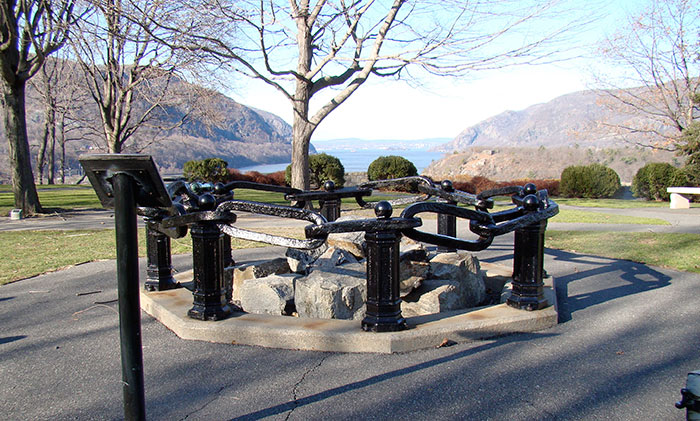
Great Chain Preservation Efforts
By the end of the American Revolution, the Great Chain was submerged in the shallows. It was never tried by the U.S. Royal Navy again; as no such war broke. On top of that, the chain slept, untouched, for 30 years in the United States Military Academy’s Ordnance Compound. Yet, Friends of the American Revolution picture it as a significant piece of history worth securing. The non-profit organization is making joint efforts with the U.S. Military and Government officials to rejuvenate the corroded sea-veering iron belt.